
Keep public research and controlled collections distinct.
Names the record source or collection controller.
Confirms access, retention, and approval.
Tracks the authorized collection with its own ID.
Map the record to the County source that maintains it
Harris County Records Management points researchers to different sources for different public records, including deeds through the County Clerk, property maps through the appraisal district, and separate County, district, and justice court sources. It also notes that older appraisal records may be held by the Harris County Archives rather than online. Start with the record type and date range, then document the named custodian before submitting an inquiry.
That map matters for planning. A property address, tract or subdivision description, recording reference, project name, court number, or appraisal year may help locate a known record. Capture the exact source and date checked in your research log, because a result in one County system is not proof that another department holds the same material.
Write a request for an existing record, not a new research product
The Office of the County Engineer explains that a Texas Public Information Act request must be in writing and must seek records that already exist. Its page also says the office is not required to answer questions, conduct legal research, or create new information. A clear request therefore names the record type, likely custodian, date range, project or property reference, and requested copy or inspection outcome.
This is a public retrieval pathway. It does not authorize a requester to take custody of County records, scan a County collection, or publish copies. Digitization planning applies when a government, engineering, library, or archive organization owns or is authorized to control a physical collection and can approve the work separately.
Use identifiers that fit the collection and the research question
For a public search, record the existing reference you know: an instrument or recording reference, property and date range, court number, or engineering project identifier. For a collection your organization controls, create a stable internal ID such as HC-ENG-021 and pair it with creator, series, dates, format, physical-unit count, container or reel label, and existing index fields.
Keeping these labels separate protects provenance. The public reference helps a custodian locate an existing government record. The internal ID keeps your authorized conversion inventory coherent through inspection, sample review, image naming, and future access planning.
Check governance and access conditions before acting
Harris County describes a Records Management Plan, a Records Control Schedule, and transfer of historically valuable County records to the Archives. For an organization-controlled collection, use the responsible authority’s current schedule and policy to evaluate retention and transfer questions. Check access restrictions, sensitive information, copyright or license terms, and legal, audit, or operational holds before copying or releasing content.
This page is not legal advice and does not authorize a retention decision, disclosure, or destruction. Do not treat a digitization plan as permission to alter custody or dispose of material. The official custodian, records officer, and appropriate advisors should decide those issues for the collection at hand.
Build a readiness note that works nationwide
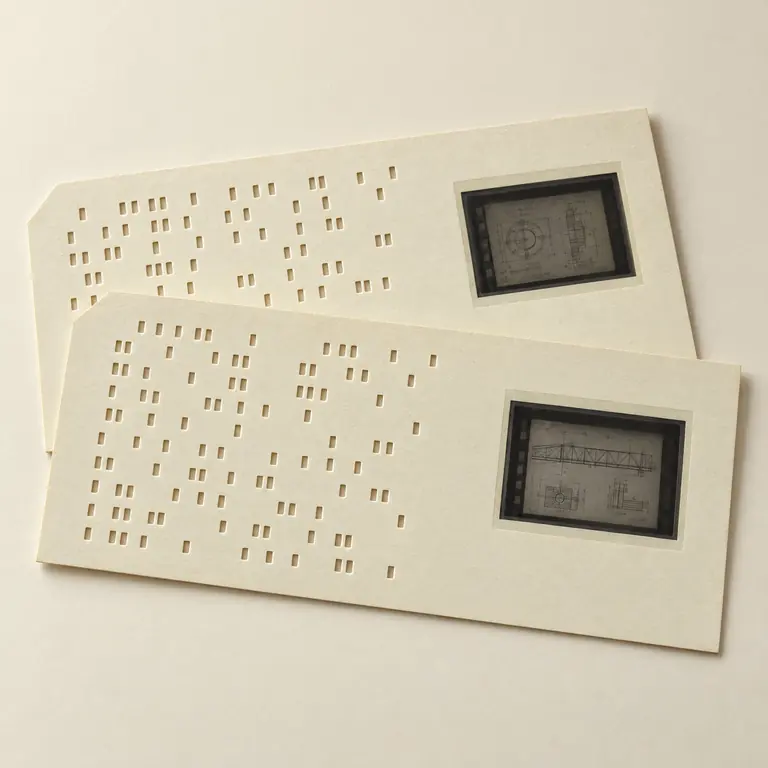
An effective readiness note separates public research from owned collection planning. For public retrieval, retain the source, record type, identifier, and dates searched. For authorized microfilm, microfiche, or aperture-card conversion, add counts by format, representative labels, condition notes, required lookup fields, and intended users. This produces useful scope information without making promises about public availability or output.
National Microfilm can discuss nationwide planning for eligible organization-controlled collections from Moorestown, New Jersey. The national services and preparation resources below are the next internal links for that purpose; this is not a claim of a Harris County office or local records custody.
Common questions
How should I frame a Harris County public-information request?
Make it written and focused on an existing record. Name the likely custodian, record type, date range, and known property, project, court, or recording reference instead of asking the office to conduct open-ended research.
What is the difference between a County record reference and an inventory ID?
A County reference helps a public custodian find an existing record. An internal inventory ID, such as HC-ENG-021, is for a collection your organization owns or is authorized to manage and should travel with its descriptive metadata.
Sources & further reading
These references explain technical formats, standards or destination requirements. They do not imply endorsement of National Microfilm.